
-
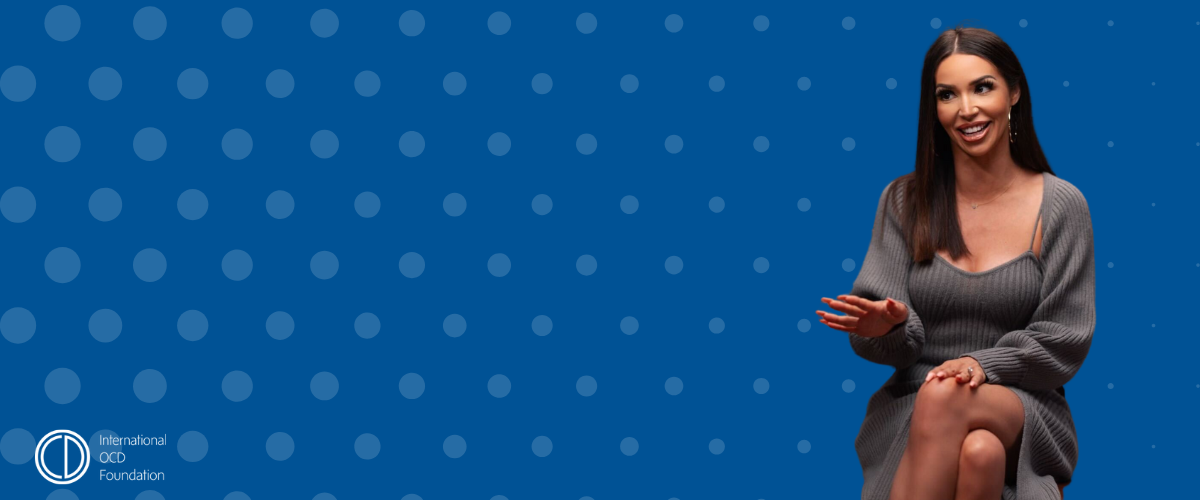
Speaking Up: Scheana Shay’s Journey with Postpartum OCD
Watch this intimate conversation with Bravo’s Scheana Shay as she opens up about her OCD journey
Premiering Tuesday, March 4
Register for the premiere

Find Help
Search the Resource Directory for therapists, clinics, support groups, and other organizations specializing in OCD and related disorders in your area.
Learn More About OCD
OCD and related disorders affect more than 1 in 100 people around the world — but there is hope. Learn about treatment, research, and other resources that can help.
Help send someone in need to the 2025 Annual OCD Conference in Chicago
For many, the in-person Annual OCD Conference provides the first point of connection with others who are struggling on their road to recovery, which often serves as a powerful turning point in symptom reduction. Make a difference in the life of a person impacted by OCD or a related disorder today with a donation to the Conference Scholarship Fund!
Donate to the Conference Scholarship FundAttention clinicians: The On-Demand Webinar Series is back and better than ever with a new platform!
The IOCDF’s On-Demand Webinar Series is a catalog of ready-to-watch video lectures for professionals and trainees who work with patients with OCD and related disorders and those who would like to learn to do so. This collection of CE-eligible courses aims to increase treatment knowledge in an easy-to-use and accessible format and offer continuing education (CE) credit to select disciplines. Thank you to our Platform Sponsor: Rogers Behavioral Health
Learn More View All Courses
Your gift has the power to change the life of someone living with OCD.
Your gift will help the IOCDF to make effective treatment more accessible, help raise awareness about OCD, and help to train clinicians and therapists how to best treat OCD and related disorders.
Let's work together to improve the lives of everyone affected by OCD.
Donate Ways to Give